
Online games for remote teams and community nights
By eggverse · · 6 min read
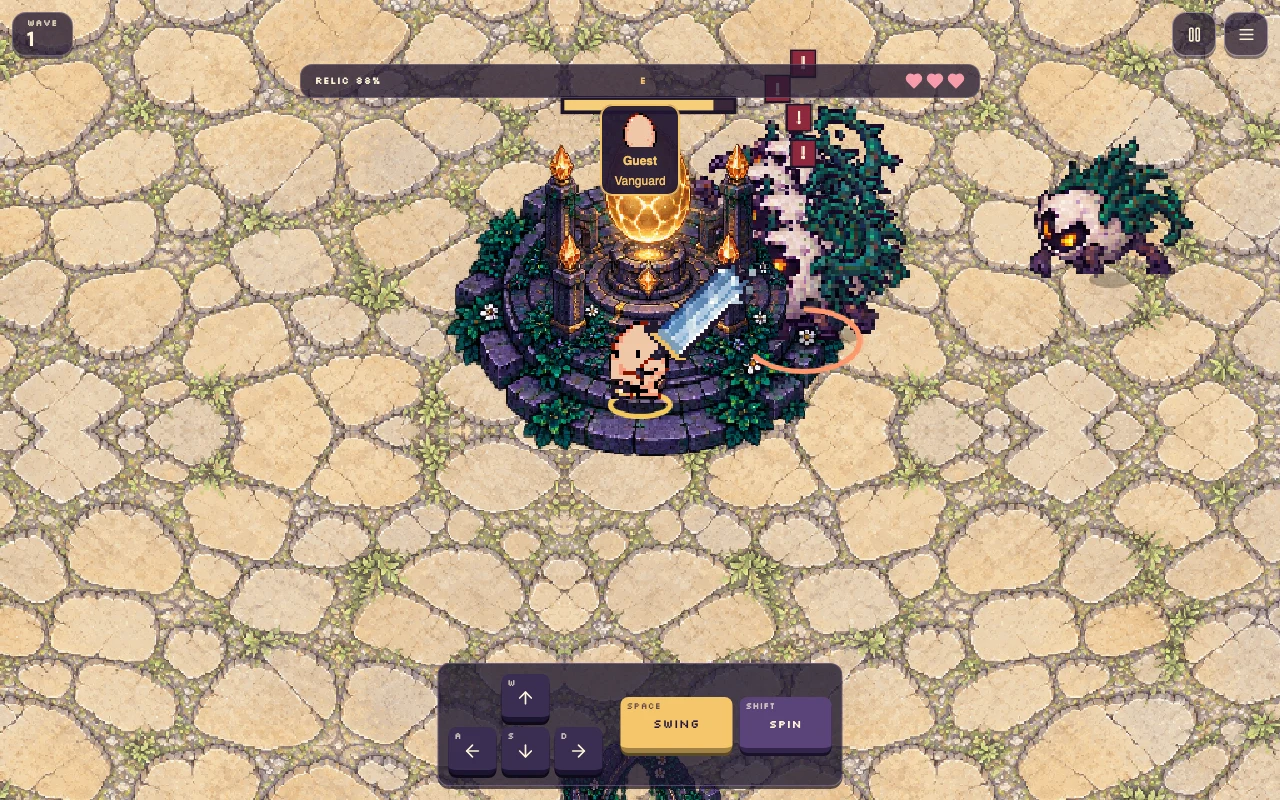
For a remote team or community game night, choose a game people can understand before the first round, check that the room holds your group, and make the session optional. In eggverse, Lights Out, Shellbound, Spoiled Egg and Spoons each support two to eight human players in friends rooms. They offer different kinds of participation: exploring, defending, surviving or competing over cards.
This guide covers games from our own browser arcade and a practical way to host them. A small coworker break and a larger community event need different arrangements, even when they use the same games. The aim is a clear invitation and a comfortable first round, not a mandatory exercise in being fun at work.
Pick the game before sending the invitation
Choose by what you are asking participants to do. An unfamiliar game is easier to join when the invitation names the objective and explains what happens after a mistake.
| Game | Human players in friends mode | What the group does | What happens when someone falls |
|---|---|---|---|
| Lights Out | 2–8 | Relight lanterns and escape a dark garden | A teammate relights the caught egg; turned eggs return at the next great lantern |
| Shellbound | 2–8 | Defend a shared relic through enemy waves | A teammate stands nearby to revive them |
| Spoiled Egg | 2–8 | Survive a graveyard together | Cracked eggs return next wave if the crew survives |
| Spoons | 2–8 | Pass cards and race for spoons | A missed spoon or premature grab eliminates the player |
All four run in a browser. Check the game's controls on the devices your participants will use. Do not assume that everyone has a keyboard, is comfortable with fast reactions, or wants to join a voice call.
For coworkers who do not usually play together
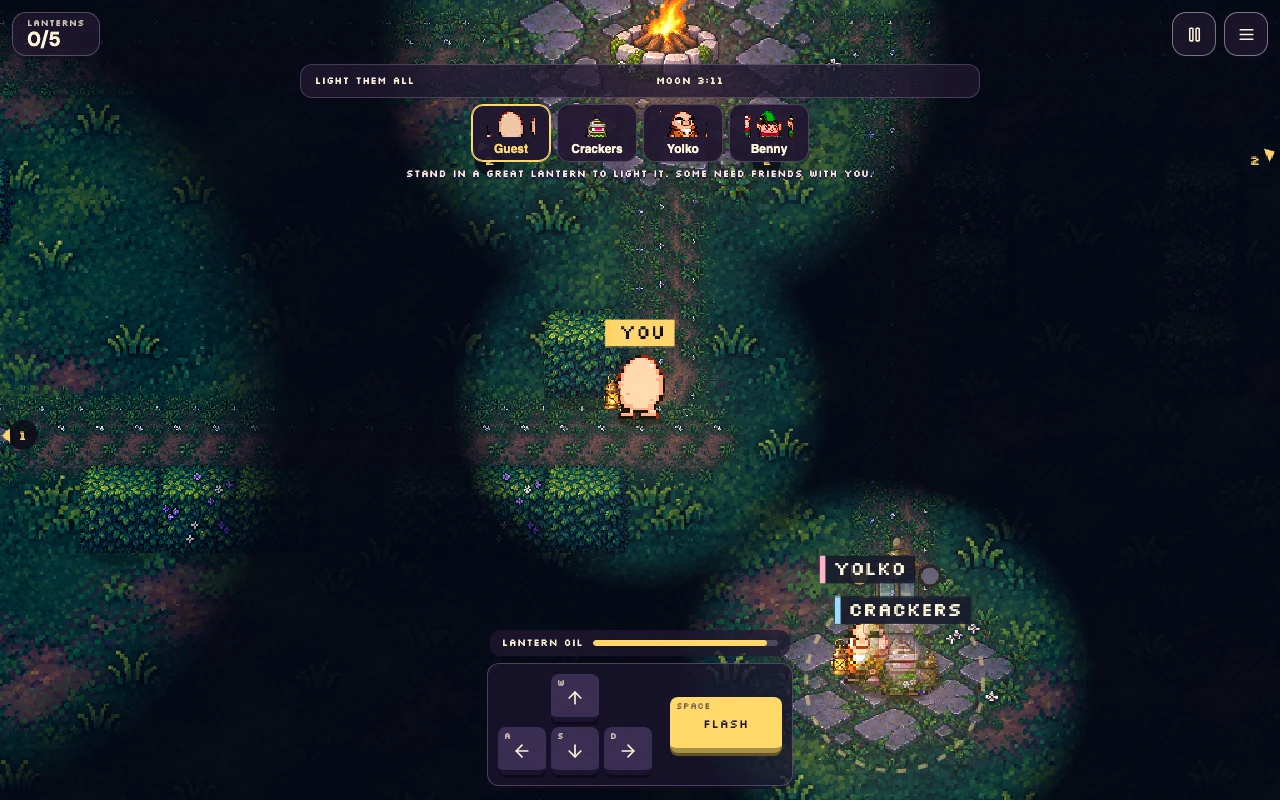
Start with a shared objective if that matches the group's preference. Lights Out gives everyone a visible reason to help: some lanterns require friends nearby, and a caught egg needs another player to relight them. Explain the lantern, flash and rescue rule before the first attempt. If a caught egg is not rescued in time, they become a ghost; lighting the next great lantern brings them back.
Shellbound suits a group that wants to divide attention between a shared relic and incoming enemies. Ask who will help a cracked teammate while others watch the objective. Make the plan temporary so the most experienced player does not automatically become the person directing the whole session. Each player earns personal Scrap to spend at stations or on tower pads around the relic. Choose an upgrade every three waves. After a five wave Night ends in a boss, the crew chooses a shared Omen: a lasting curse that raises Scrap earnings.
Describe both honestly: these games involve danger and active controls. Cooperation is a way to play, not a promise that the session will feel easy to everybody. Give people permission to sit out or leave at the scheduled finish.
For a community night with regulars and newcomers
Put the game link, start time and joining instructions in one event message. Name a host who can explain the controls and answer joining questions. If your community has several rooms, give each one a host and a clear label so people know where they are going.
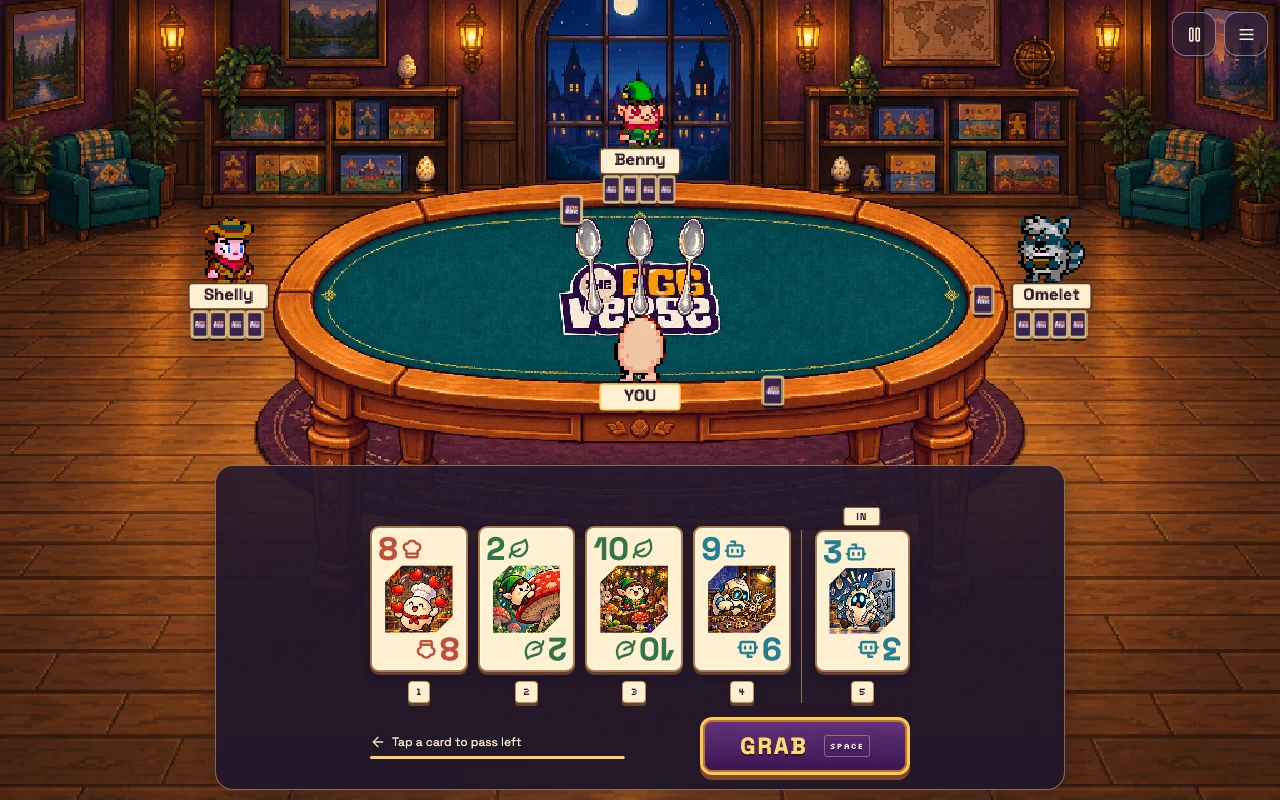
For a competitive option, Spoons has a short central rule: match four cards to take the first spoon; after that, everyone can grab. Its four second automatic passing keeps cards moving. Explain elimination in advance and allow a practice game. A two human room includes two bots, which can be useful when only a couple of people are ready.
For a shared survival option, Spoiled Egg brings cracked teammates back at the next wave if the crew survives. That is different from an immediate revive, and worth saying out loud. Nobody should have to guess whether their game is broken while they wait.
A suggested 30 minute session
This is a hosting agenda, not a claim about how long an individual game lasts. Leave room for a run to finish naturally, and make it clear that people may leave on time.
Minutes 0–5: welcome and join. Share the room invitation, check the player count and help participants find their controls. Arrange any voice call separately.
Minutes 5–10: explain and practice. Give the objective, the main action and the recovery or elimination rule. Start a practice attempt without keeping a group leaderboard.
Minutes 10–25: play and choose a rematch. After the first attempt, ask whether everyone wants the same game again. Avoid switching games merely to fill the agenda; people may only just have learned this one.
Minutes 25–30: wrap up. Thank people for joining, share the game link for anyone who wants it, and end the organized session. Continuing afterward should be a choice.
When more than eight people want to join
These games do not put an unlimited community into one room. Split a larger group into separate rooms, each within the selected game's capacity. For example, twelve participants could form two groups of six, with one host per room.
Keep the game and introductory explanation consistent if people will switch groups later. Arrange a planned break for changing rooms rather than promising that late arrivals can enter a run already in progress. Do not advertise a spectator mode unless you have checked that the selected game supports it.
For coworkers, privately invite preferences before making the groups. For a community, keep room invitations within the intended event audience and identify who can help if a participant has trouble joining.
What to put in the event message
Include the date and time zone, expected session length, game page link, how the room invitation will be shared and whether a separate call is available. Mention that participation is optional and the first attempt is practice. Check the account requirements through the actual joining flow before telling everyone what they need.
Use plain descriptions such as “defend a relic together” or “collect matching cards, then grab a spoon.” People should understand the activity without already knowing eggverse or its characters.
Questions hosts ask
Which game is suitable for a remote team?
Choose by the group's preferences. Lights Out offers exploration and rescues, Shellbound gives the crew a shared defense, and Spoons offers competition with elimination. Check controls and room capacity before inviting people.
Can we host more than eight participants?
Use multiple rooms with a host in each. The listed friends rooms hold at most eight human players each.
Do we need a separate meeting link?
Arrange your own call if you want voice conversation. Share the game room invitation separately so everyone joins the intended session.
Should we keep scores across the whole event?
You do not need to. For a mixed experience first session, learning together and offering a rematch may be enough. Add an event competition only if participants want one.
Read the Lights Out rules or try Spoons before hosting. A host who knows the joining flow and the first few controls can spend the event welcoming people instead of searching for the start button.